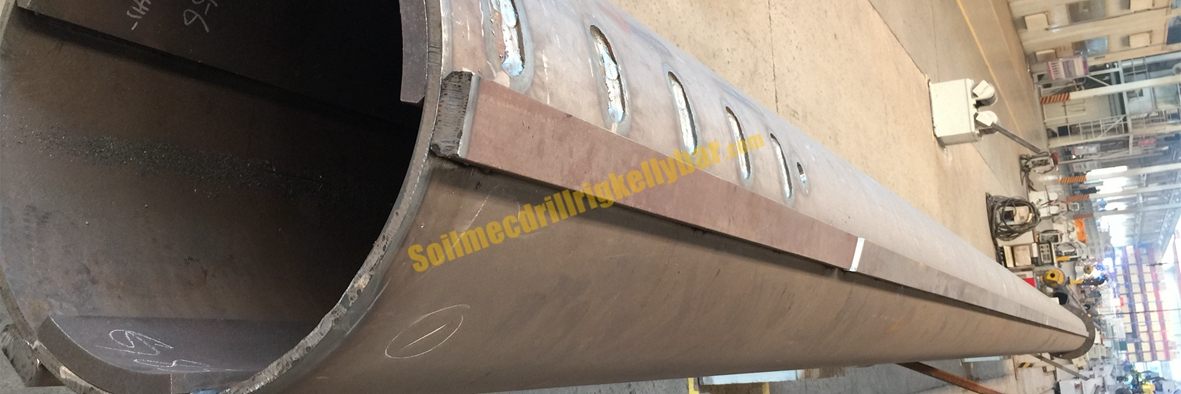
Interlocking engagement
Positive mechanical engagement supports controlled torque transfer when the tool meets dense or variable ground. Section marks and clear drawings keep handling repeatable.
Foundation drilling tooling
Interlocking and friction Kelly bars for Soilmec drilling equipment, specified around real torque, depth, tool and site conditions.
Kelly Bar Systems helps foundation teams choose telescopic tooling that is straightforward to install, stable during drilling and practical to maintain. The range supports compact access work, repeat bored piles and deeper foundation programs.
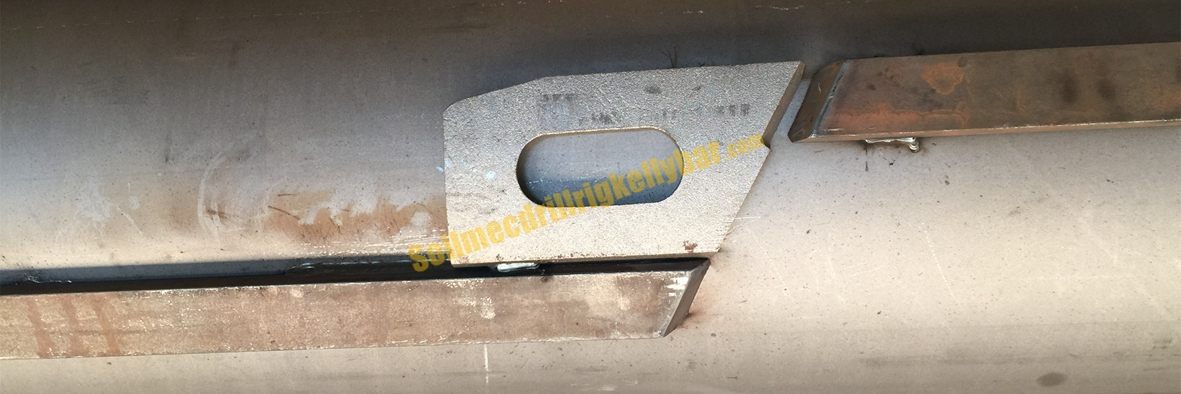
Positive mechanical engagement supports controlled torque transfer when the tool meets dense or variable ground. Section marks and clear drawings keep handling repeatable.
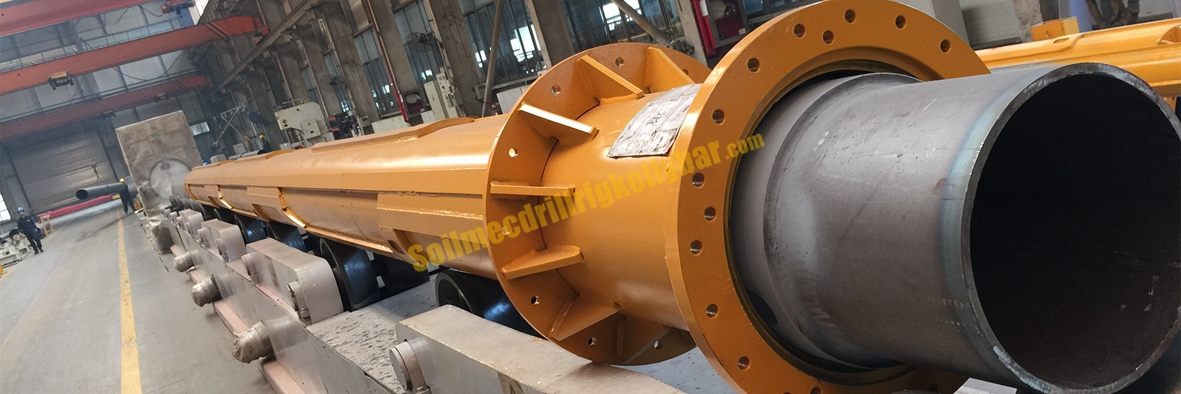
Friction designs provide smooth telescoping for changing depths and flexible drilling sequences. The specification balances reach, contact and serviceability.
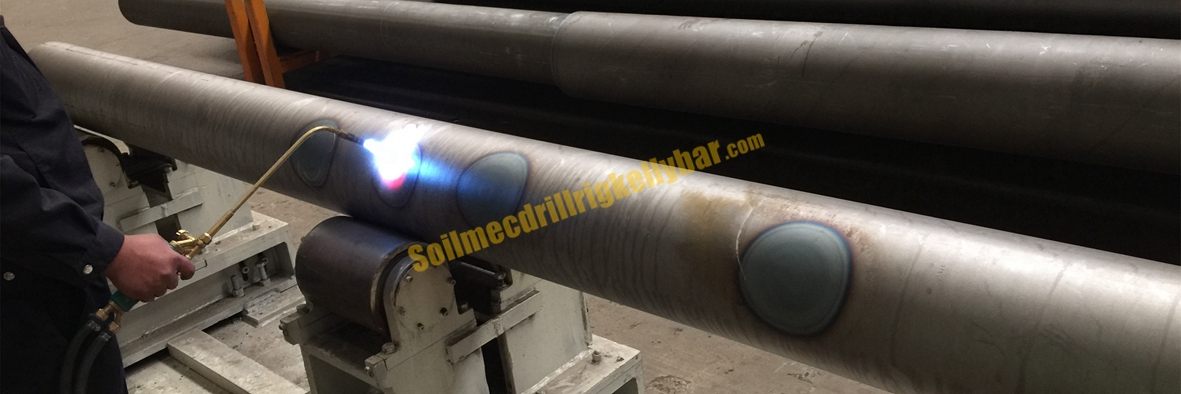
Rig interface, torque, crowd, tool connection and target depth are reviewed together so the delivered bar fits the work instead of only matching a nameplate.
A telescopic bar is a working component, not an isolated accessory. Its section length, guide condition, drive interface and tool connection influence how the rig behaves at the bottom of the hole. That is why every project should begin with a short specification brief: machine model, working depth, soil profile, tool set, casing requirements and transport limitations. With those inputs in one place, the bar can be configured for the actual cycle the crew needs to repeat.
Our product pages cover Soilmec SR and R series equipment and explain the practical considerations behind interlocking and friction construction. The same catalogue logic extends to foundation drilling applications, bridge work, high-rise sites and equipment replacement. It also creates a useful reference for supervisors who need to compare a new bar with an existing one.
Clear documentation protects the handover from engineering to workshop to site. Section identification, connection drawings and service notes make commissioning faster and reduce uncertainty when a wear observation appears. For contractors, this means more time spent drilling and less time resolving avoidable questions around fit, handling or maintenance.
Soilmec Kelly Bars | Interlocking and Friction Drilling Tooling is intended to be used as a working reference alongside the rig documentation and the approved project drawing. The useful decision is always specific to the machine, tool and ground: check the rotary interface, available torque, crowd behavior, target depth, section overlap and handling space before a final configuration is released. These details also help the field team understand why a particular bar arrangement was selected.
Keep the page available during quotation, commissioning and service review. During installation, confirm the section order and connection fit at low speed. During production, record ground changes, tool changes and any new sound or movement. During demobilization, clean the contact areas, protect the connections and carry the inspection record with the section marks. That small information loop makes the next decision faster and keeps the equipment history useful across projects.
For procurement and site planning, identify the bar by its complete model and section arrangement rather than by a shortened label alone. Confirm how it will be packed, lifted, stored and connected to the selected tool. If the project involves more than one rig, compare the interfaces before standardizing the order. Clear information at this stage reduces field modifications, protects the schedule and gives the service team a reliable starting point when the equipment returns from the job.